

Is Paying for Online Programming Training the Right Move?
Learning to code has become more accessible than ever. But with so many options available, deciding whether to invest money in online programming training can feel overwhelming. Similar to how Visa online casinos pioneered secure, instant payment processing for global users, educational platforms now offer multiple payment options, including installment plans and international transactions. This financial accessibility removes barriers for aspiring programmers worldwide.
Some platforms charge thousands of dollars while others offer free content. The question isn’t just about cost. It’s about value, commitment, and career goals. Understanding what you’re paying for helps make better decisions.
What Goes Into Programming Course Pricing
Online programming courses range from free to several thousand dollars. The price tag usually reflects several factors working together:
- Instructor expertise matters significantly. Courses taught by industry professionals with years of experience typically cost more than those created by newer teachers. You’re paying for their knowledge and real-world insights.
- Platform infrastructure affects pricing, too. Sites that offer interactive coding environments, automated testing, and instant feedback require substantial technical investment. These features are included in the course price.
- Support levels vary widely between programs. Some include one-on-one mentorship, code reviews, and career counseling. Others provide only the video content and exercises.
Key Factors That Drive Training Costs
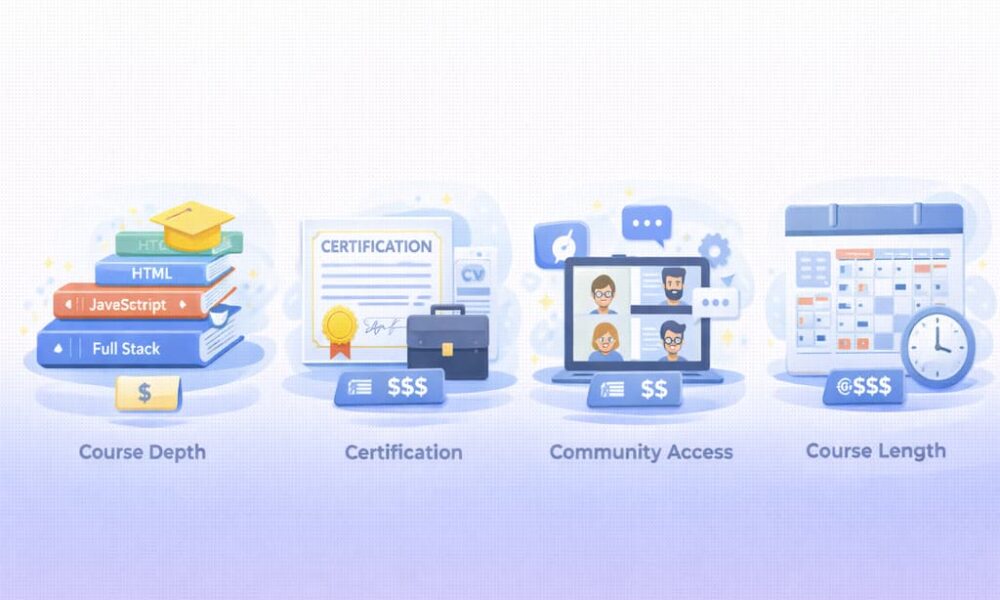
Course depth influences pricing substantially. Comprehensive bootcamps covering multiple languages and frameworks cost more than single-topic courses. A full-stack development program naturally costs more than an HTML basics course.
Certification adds value for many learners. Programs offering recognized credentials or completion certificates often charge premium prices. Employers sometimes value these certifications during hiring processes.
Community access can justify higher costs. Some platforms include forums, study groups, and networking opportunities. These connections sometimes lead to job opportunities or collaborative projects.
Self-paced courses generally cost less than structured programs with fixed schedules. Bootcamps with daily live sessions and strict deadlines require more resources to run.
Course length matters too. A 12-week intensive program will cost more than a 4-week introductory course. Longer programs typically cover more material and provide a deeper understanding.
Comparing Free and Paid Learning Paths
Free resources exist everywhere online. YouTube tutorials, documentation, and open-source courses provide solid foundations. Many developers started their careers using only free materials.
However, free content has limitations. It lacks structure, personalized feedback, and accountability. Learners often struggle to know what to study next or whether they’re progressing correctly.
Paid programs offer structured learning paths. They eliminate guesswork about what topics to cover and in what order. This guidance saves time and reduces frustration.
The quality difference isn’t always dramatic. Some free resources rival expensive courses in content quality. The real value of paid programs often lies in support, structure, and motivation rather than content alone.
Making Your Investment Worthwhile
Setting clear goals before purchasing helps maximize value. Know what you want to achieve and choose programs aligned with those objectives. A course teaching web development won’t help someone wanting to learn mobile app development.
Commitment level affects outcomes more than course cost. The most expensive program won’t help someone who doesn’t complete it. Cheaper courses work fine for highly motivated learners who stay consistent.
Additional expenses sometimes surprise students. Some courses require purchasing specific software, tools, or subscriptions. Factor these costs into your budget.
Time represents another cost. Can you dedicate the necessary hours each week? Rushing through material to save time often leads to poor understanding.
Selecting the Right Program
Research thoroughly before buying. Read reviews from actual students, not just testimonials on the course website. Look for honest feedback about weaknesses and strengths.
Trial periods help reduce risk. Many platforms offer money-back guarantees or free introductory modules. Test the teaching style before fully committing.
Check instructor credentials and teaching experience. A great developer doesn’t automatically make a great teacher. Look for instructors who explain concepts clearly and engage with students.
Curriculum relevance matters for career goals. Does the course cover current industry practices? Programming changes rapidly, and outdated content wastes time and money.
Questions to Ask Before Buying
What support options come included? Can you ask questions and get answers quickly? Some programs leave students struggling alone with problems.
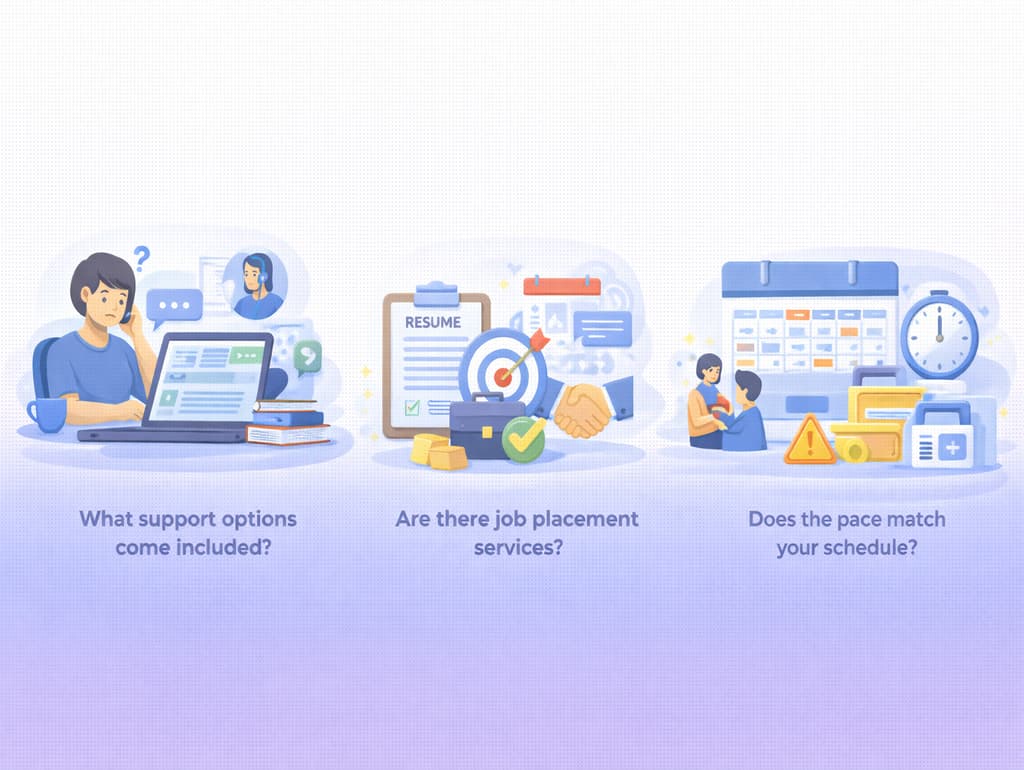
Are there job placement services? Career-focused programs sometimes offer resume help, interview prep, or employer connections. These services add significant value.
Does the pace match your schedule? Make sure you can realistically complete the program given your other commitments.
Final Thoughts on Programming Training Investments
Paying for online programming training makes sense for many people. The structure, support, and accountability justify the cost for learners who need guidance.
Others succeed perfectly well with free resources. Self-directed individuals with strong motivation can build solid skills without spending money.
The best choice depends on learning style, goals, budget, and time constraints. Neither paid nor free is universally better. What matters most is finding an approach that keeps you learning consistently until you reach your goals.
Consider starting with free resources. If you find yourself stuck or losing motivation, then explore paid options. This approach tests your interest before making financial commitments.