

How to Choose the Best Crypto Portfolio Tracking Tool in 2025 (Tested)

Crypto ownership in 2025 rarely extends across one exchange wallet. Even novice investors have holdings in multiple places: centralized exchanges, DeFi wallets, yield platforms, and NFT collections. Fragmentation is the result: hundreds of transactions scattered across chains, all with their own rates, fees, and payouts. Muddling through it all by hand creates blind spots, and compounds errors quickly.
Example: An investor might keep Bitcoin on Binance, stablecoins earning yield on Aave, and a set of NFTs on Ethereum. Each part has its own valuation and income stream, and combining them accurately without a tracker can feel impossible.
How 2025 is different from previous years in investor requirements
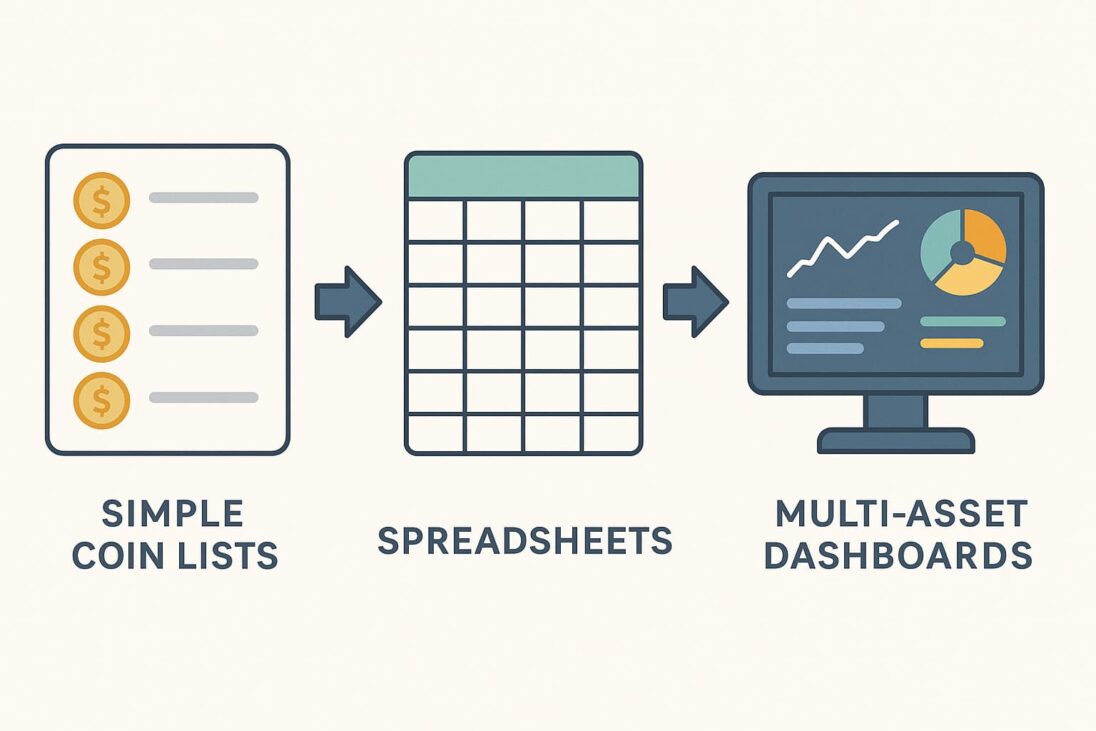
A basic balance viewer or spreadsheet would do in 2017 or 2020. Portfolios centered on a few coins, often on one exchange. Now fast forward to 2025: investors demand something more. Investors want context as well as numbers: ROI, PnL, indications regarding risks, and cross-asset integration — from crypto to equities.
The accelerating speed of DeFi, staking, and regulatory attention means that products must now solve three problems at once: tracking, compliance, and decision support. That’s why digital asset portfolio trackers have become essential today for serious investors.
Selection Criteria for the Optimal Tracker
A tracker in 2025 is initially judged by how effectively it showcases performance. Investors want visibility into both realized profit (closed positions, withdrawn interests) and unrealized profit (open positions, staked coins). Any ambiguity here erodes trust. Tools that automatically recalculate cost basis across wallets and exchanges, showing net ROI without duplication, immediately stand out.
“If you can’t rely on the numbers, the interface is just decoration.”
Breadth of integrations (CEX, DEX, DeFi, NFTs, traditional assets)
Modern portfolios contain much more than idle coins on Binance or Coinbase. They include lending positions, NFTs on platforms, liquidity pools, and tokenized stocks. A tracker that skips any of these sources leaves gaps in the big picture. By 2025, serious investors expect:
- Centralized exchange sync (spot, margin, futures).
- DeFi coverage across Ethereum, Solana, BNB Chain, and L2 networks.
- NFT tracking with valuation metrics.
- Optional integration for stocks, ETFs, and fiat accounts.
Security approach and data privacy
Connecting APIs and wallets exposes sensitive data. That’s why trackers must guarantee robust security models:
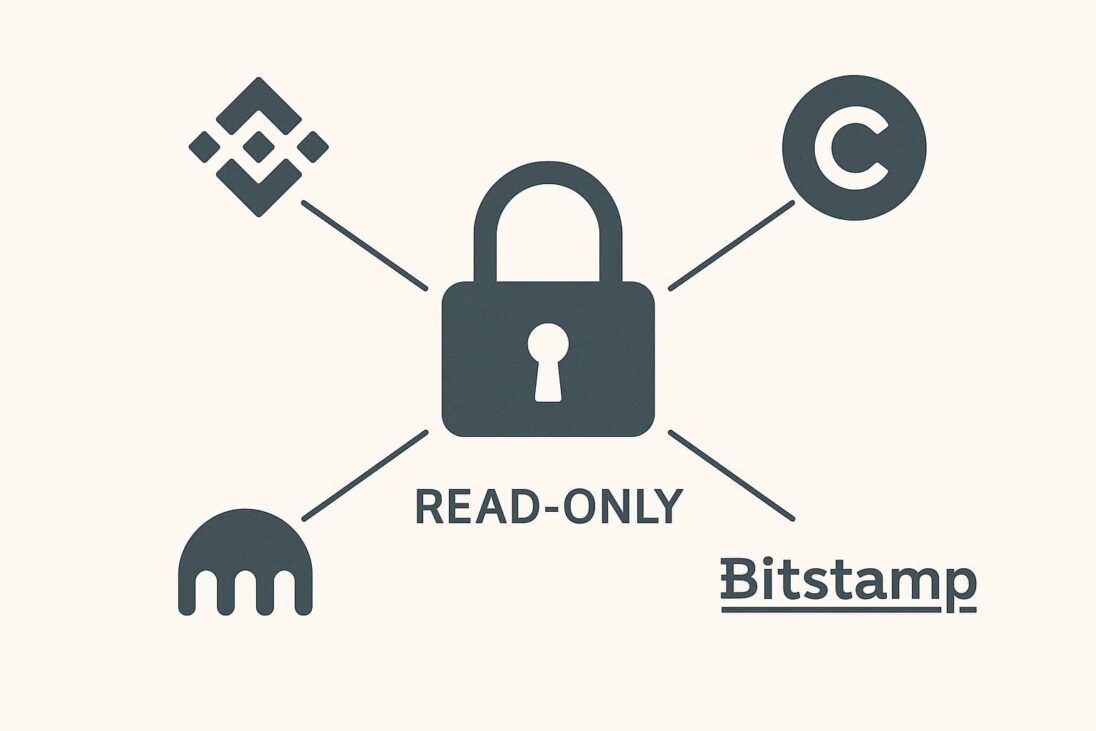
- Read-only API keys to prevent unauthorized trading.
- Local encryption or secure cloud storage for sensitive information.
- Granular permissions to restrict access.
- Non-custodial design so funds always remain under the owner’s control.
Investors also assess whether a platform sells or shares aggregated user data. Privacy has become a deciding factor, especially for high-net-worth individuals and institutions.
Top 7 Market Leaders
1. CoinDataFlow
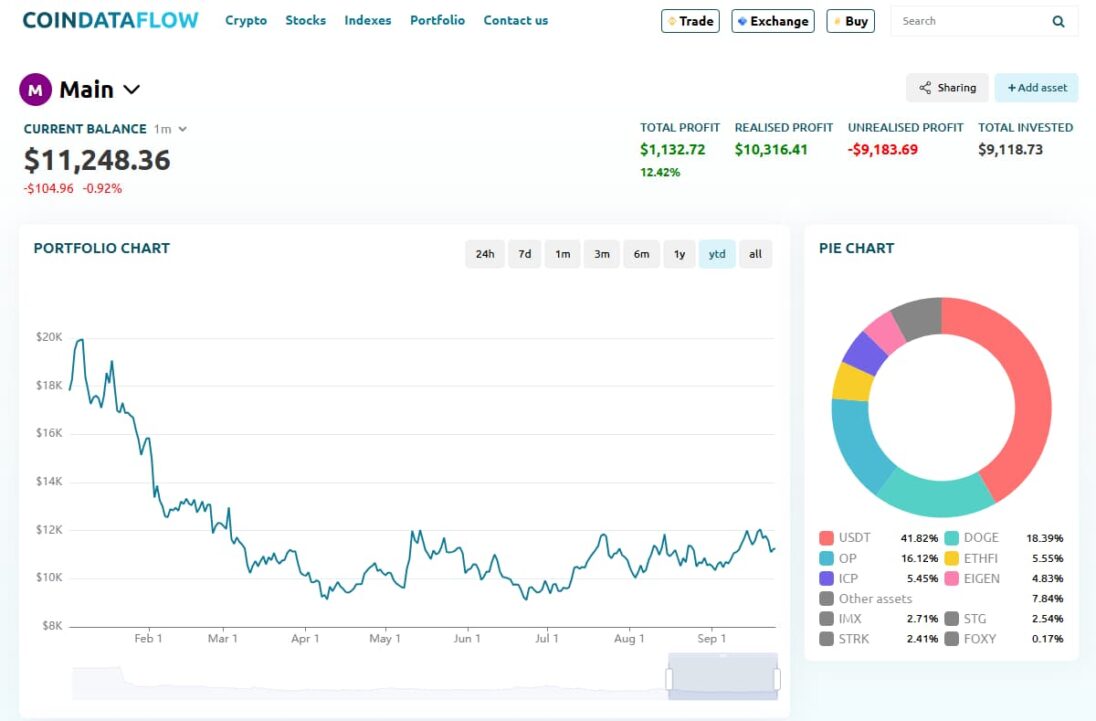
https://coindataflow.com/en/portfolio-tracker
CoinDataFlow merges two core needs: real-time market data aggregation and precise portfolio tracking. Unlike other tools that keep these functions separate, it unifies live charts, price feeds, and news directly within the portfolio dashboard. This allows users to view ROI and PnL alongside real-time market movements, without switching apps or relying on delayed updates.
Balanced interface: novice-friendly ease and sophisticated depth for active traders
The platform avoids both extremes of being too simplistic or overwhelmingly complex. Newcomers get quick, clear net worth and ROI summaries, while advanced traders can access detailed analytics, tax-ready exports, and risk indicators. Its layered design shows the most important numbers upfront, with deeper data available on demand.
“Clarity comes from design — the right number in the right place, without the noise.”
Strengths and weaknesses in light of the market
Strengths:
- Automated ROI and PnL tracking across exchanges, wallets, and DeFi.
- Integration of both crypto and traditional finance assets.
- Privacy-focused, non-custodial system with read-only connections.
- A flexible dashboard that serves both beginners and professionals.
Weaknesses:
- Feature-rich design may feel cluttered for those wanting a minimal tracker.
- Mobile app, though improving, still lags behind the desktop version.
In 2025, this balance of breadth, accuracy, and usability positions CoinDataFlow ahead of most other trackers.
2. CryptoCompare
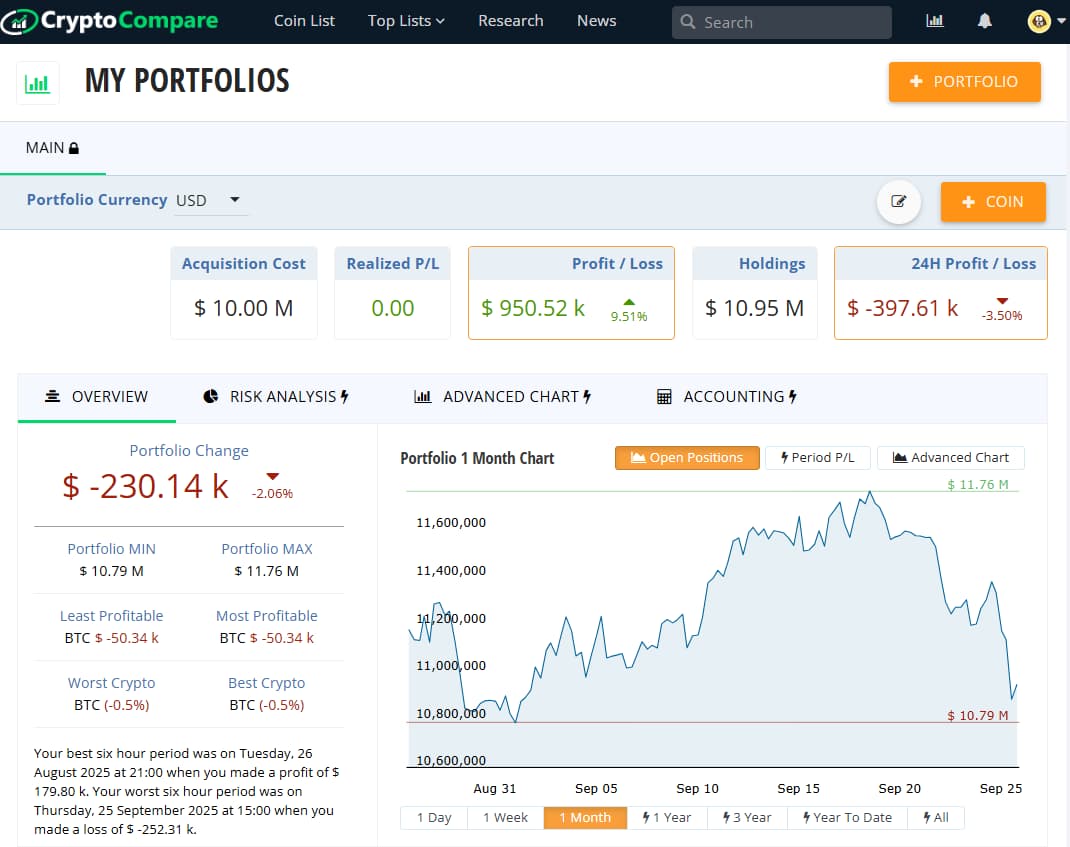
https://www.cryptocompare.com/portfolio
CryptoCompare has been a trusted name in crypto analytics for years, first known for its pricing feeds and market indices. Its portfolio tracker builds on that foundation, letting users add holdings and view valuations against live data. For newcomers, the reassurance of using a tool from a well-known data provider is appealing.
Example: A user manually enters BTC and ETH purchases made on Kraken. CryptoCompare immediately displays updated values using its market indices, which are also widely referenced in the industry.
Advantages and disadvantages of its portfolio tracker
Strengths:
- Strong data integrity, with prices sourced from multiple exchanges.
- Familiar and convenient for users already relying on the site for market research.
- Easy setup with a simple manual entry process.
Weaknesses:
- Less automation compared to newer trackers; wallet and DeFi integration lag behind.
- Limited reporting depth, with no advanced ROI/PnL breakdowns or tax-ready exports.
- An interface that feels dated compared to modern competitors.
“CryptoCompare is reliable for prices, but as a portfolio tracker it feels more like an add-on than a complete solution.”
3. CoinTracking
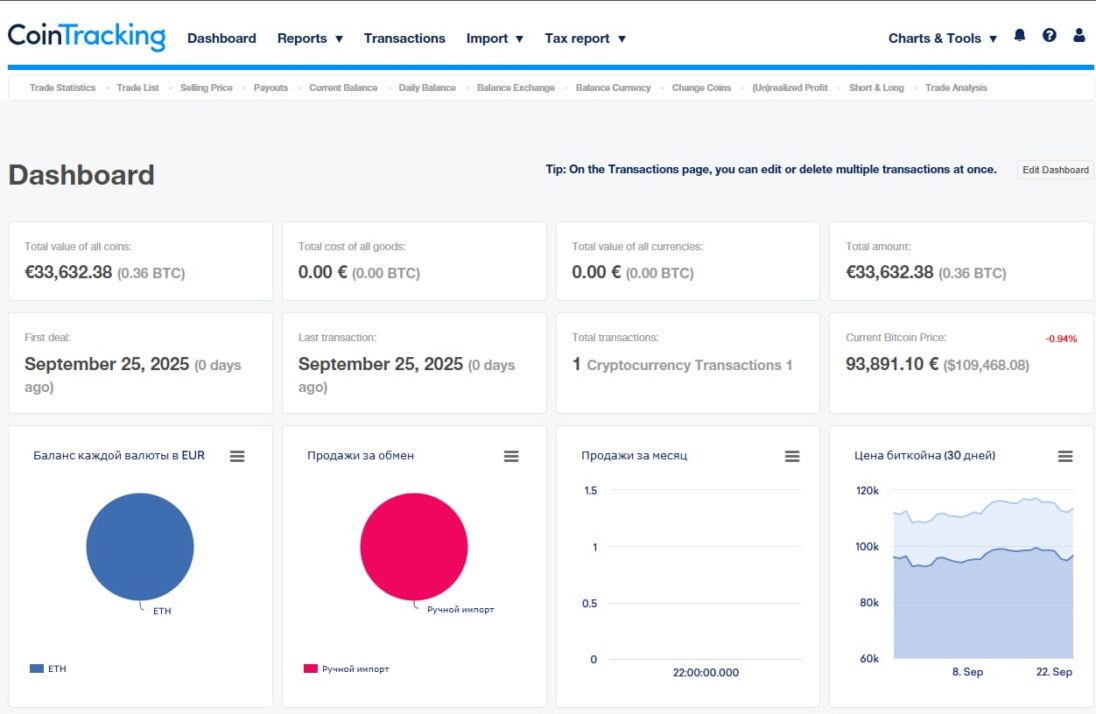
https://cointracking.info/crypto-portfolio-tracker
CoinTracking became popular by tackling one of the biggest stress points in crypto investing: taxes. It lets users import transactions from hundreds of exchanges and then generates detailed tax reports formatted for multiple jurisdictions. For investors in the U.S., EU, and Asia, this saves huge amounts of time during tax season.
Example: A user with 3,000 trades across Binance, Bitfinex, and MetaMask can import the entire history and instantly receive profit/loss calculations formatted for local tax software.
Steep learning curve and cost considerations
The depth of CoinTracking’s features comes with a drawback: it can feel overwhelming. New users often struggle with settings, reconciliation rules, and categorizing transactions properly. While the platform provides documentation, the learning process isn’t straightforward.
Pricing is another challenge. The free version only supports a limited number of transactions. Active traders usually need premium plans, which get increasingly expensive as transaction volume grows.
Strengths:
CoinTracking delivers best-in-class tax and compliance tools. It also supports an extensive import library spanning hundreds of exchanges. On top of that, its customizable reports offer a very high level of detail.
Weaknesses:
The platform’s interface is complicated and not beginner-friendly. Active traders must upgrade to premium tiers, and costs can become quite steep as transaction volume increases.
“CoinTracking can feel like professional accounting software — powerful, but not designed for everyone.”
4. CoinStats
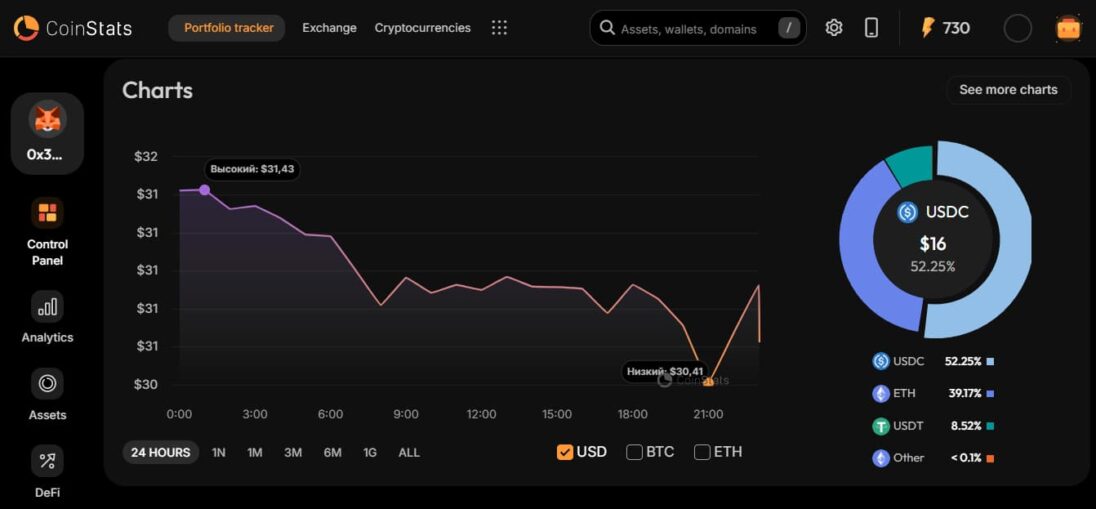
https://coinstats.app/portfolio
CoinStats has grown into one of the most connected portfolio trackers available. It integrates natively with hundreds of centralized exchanges, wallets, and DeFi protocols. Users can link accounts via API or public wallet addresses, giving them nearly complete coverage without manual updates. Its mobile app is sleek, providing quick access to balances, ROI, and asset allocation from anywhere.
Example: An investor links Binance, Coinbase, and a MetaMask wallet. CoinStats syncs all transactions in minutes and produces a consolidated dashboard with ROI figures and allocation charts.
Usability challenges for beginners
Despite its functionality, CoinStats can feel cluttered for novice investors. The interface presents news, charts, and portfolio views all at once, and newcomers often find key metrics like ROI or PnL hidden under less relevant information.
Cost is another factor. The free version offers only basic features, while advanced integrations and faster refresh times require a paid plan — something casual investors may not find worthwhile.
Strengths:
- Broad exchange and wallet coverage.
- Real-time synchronization with DeFi and CEX.
- A polished mobile experience.
Weaknesses:
- A busy interface that’s less intuitive for beginners.
- Advanced features locked behind paywalls.
“CoinStats delivers breadth, but not always clarity — new users may find themselves lost in the options.”
5. Koinly
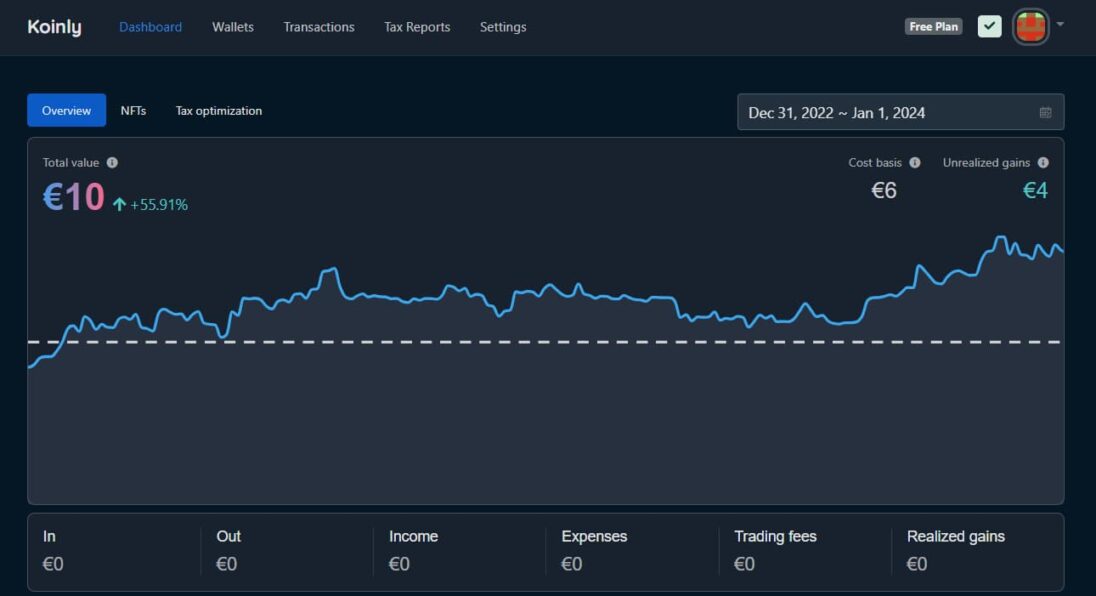
https://koinly.io/crypto-portfolio-tracker
Koinly was built for a single purpose: to simplify crypto tax reporting. It automatically imports transactions, reconciles transfers across wallets, and produces reports tailored to specific jurisdictions. For investors managing multiple exchanges and wallets, this automation is a huge relief.
Example: A user based in the UK connects Binance, MetaMask, and Ledger accounts. Koinly produces a tax report formatted for HMRC with all gains, losses, and income from staking — ready to submit or forward to an accountant.
Real-time tracking holes and UX gaps
Although excellent for compliance, Koinly lacks the smooth real-time tracking found in broader portfolio tools. Its dashboards feel geared toward year-end tax preparation rather than daily monitoring. Traders who need instant ROI or intraday PnL visibility will find it restrictive.
The interface is functional but plain. Compared to platforms with sleek dashboards and mobile-first designs, Koinly’s visuals are basic. That works fine for tax season but may frustrate users expecting a more modern experience.
Strengths:
- Automated tax reporting across multiple regions.
- Strong reconciliation of wallet-to-wallet transfers.
- Saves time and reduces errors during tax season.
Weaknesses:
- Weak real-time analytics.
- A basic design that feels less engaging for daily use.
“Koinly solves the tax headache brilliantly, but you won’t use it to check your portfolio every morning.”
6. Kubera
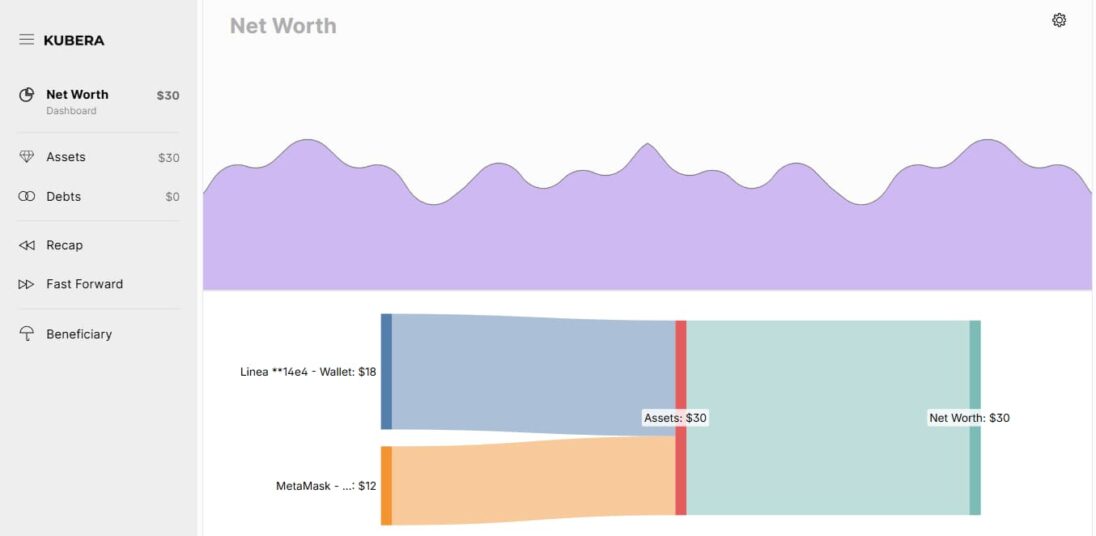
Kubera sets itself apart by blending crypto tracking with traditional asset management. It’s designed for users who want to see their Bitcoin alongside stocks, ETFs, real estate valuations, or even bank accounts. This makes it especially appealing to high-net-worth individuals or families managing diversified portfolios.
Example: A user connects Coinbase, a stock brokerage account, and their home valuation via Zillow. Kubera consolidates everything into a single net worth dashboard, offering both crypto-specific metrics and broader financial insights.
Pricing structure and target audience
Kubera runs on a subscription model and is more expensive than most pure crypto trackers. That positions it as a tool for serious investors rather than casual traders. For someone holding only a handful of coins, the price may seem unnecessary. But for those balancing crypto with traditional assets, the value becomes clear.
The interface is minimalistic and user-friendly, though some crypto-focused users feel it lacks advanced ROI/PnL features compared to specialized tools.
Strengths:
- Combines crypto and traditional assets in one dashboard.
- Streamlined design tailored for diversified portfolios.
- Appeals to wealth managers and long-term investors.
Weaknesses:
- More expensive than competitors.
- Limited advanced crypto analytics compared to dedicated trackers.
“Kubera isn’t just for tracking tokens — it’s for tracking your entire life’s worth.”
7. Fireblocks
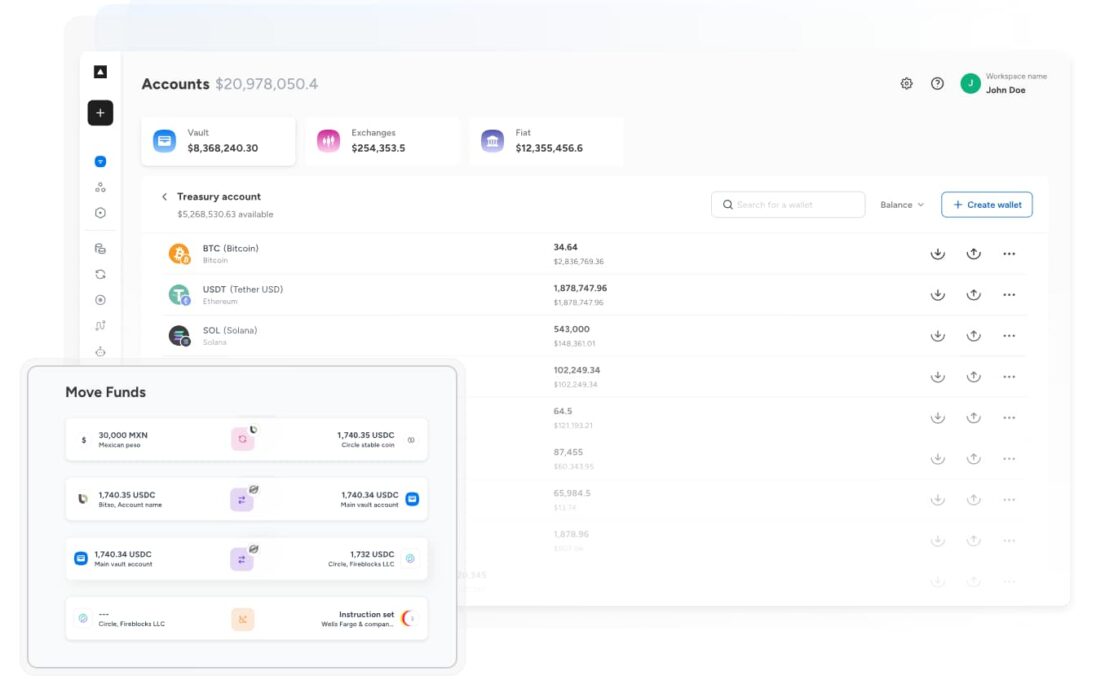
Fireblocks is built for institutions such as hedge funds, custodians, and enterprises holding large amounts of digital assets. Its biggest strength is security: it uses multi-party computation (MPC) wallets, policy-based access controls, and complies with strict regulatory standards. These features make it a go-to choice for financial institutions that need both protection and operational efficiency.
Example: A digital asset fund can use Fireblocks to manage multi-billion-dollar holdings across multiple custodians. Transactions require multi-signature authorization, ensuring that no single individual has unilateral control.
Why it’s not good for individual investors
For retail investors, Fireblocks is excessive. The platform is costly, requires enterprise-level onboarding, and is designed for multi-user environments. Features like audit trails and role-based permissions work well for corporate teams but add unnecessary complexity for someone managing a personal wallet.
Strengths:
Fireblocks provides top-tier security through MPC technology. It also ensures compliance tailored for institutional needs and is purpose-built for teams managing large portfolios.
Weaknesses:
The platform is too expensive and inaccessible for individual investors. It’s designed exclusively for institutional use cases.
“Fireblocks is a fortress for institutions — but too much fortress for the average investor.”
Key Takeaways from the Comparison
Common strengths across platforms
By 2025, nearly all portfolio trackers deliver on a few core promises:
- Automation is now the norm, cutting down on manual inputs.
- Centralized exchange integrations are consistently strong.
- Mobile access is standard, with apps that let users monitor balances on the go.
These shared traits show how much the industry has matured — investors no longer wrestle with basic tracking. The real differentiation now lies in how far beyond the basics each tool can go.
Where most fall short
Despite progress, some recurring weaknesses remain:
- Tax handling is inconsistent — some platforms excel at compliance but fall short in daily usability.
- User experience often leans too far in one direction: either too basic (which limits growth) or too complex (which intimidates new users).
- DeFi and NFT coverage is still patchy compared to centralized exchange integrations.
These gaps explain why many investors juggle multiple tools — one for taxes, another for DeFi, and a third for general monitoring.
Why one solution is more balanced in this context
Looking across the compared platforms, a clear pattern emerges: tools that combine accurate ROI/PnL, broad integrations, and privacy-focused design feel naturally better suited for diverse investors. Over-specialized platforms — like Koinly or Accointing for tax, or Zapper for DeFi — serve niches but leave gaps elsewhere. Institutional products such as Fireblocks offer unmatched security but are impractical for individuals.
The trackers that bridge these divides — delivering clarity for beginners, depth for active traders, and flexibility for hybrid portfolios — rise above the rest. CoinDataFlow stands out in this category, not by trying to do everything, but by striking the right balance without forcing compromises.
“The strongest platforms aren’t the ones with the most features — they’re the ones that keep investors from needing three different apps to feel complete.”
FAQ
What tracker is suitable for beginners?
For newcomers who’ve just bought their first coins, simplicity is most important. Tools like CoinDataFlow or CoinMarketCap Portfolio are easy starting points. But beginners expecting their portfolios to grow may benefit from a more scalable solution that balances simplicity with automation.
Do I need a paid tool for tax reporting?
Not necessarily. Free options can provide a basic overview, but serious traders usually outgrow them quickly. Tax-focused platforms such as Koinly or Accointing often require premium tiers for full exports. It depends on transaction volume: under 100 trades per year, free may suffice; thousands of trades make premium unavoidable.
Are institutional solutions suitable for retail investors?
Platforms like Fireblocks or HedgeGuard are built for corporate desks, not individuals. They emphasize compliance, custody, and multi-user access. While retail investors may admire the security standards, the cost and complexity make them impractical for personal use.
Can exchanges and wallets safely be linked to a tracker?
Safety depends on the setup. The best practice is to use read-only API keys and connect public wallet addresses, never private keys. Trackers demanding withdrawal rights should be avoided. Privacy-conscious platforms also encrypt data locally to minimize risks.
Which innovations in 2025 really matter?
The most impactful trends are:
- AI-driven insights for portfolio rebalancing.
- Cross-chain unification, showing all assets in one balance sheet.
- Tax automation, saving hours of manual effort.
- Hybrid models that merge crypto with traditional assets for a complete net worth view.
Conclusion: Navigating a Busy Market
The tracker landscape in 2025 highlights just how much the crypto space has matured. Where investors once managed balances in Excel or checked a single exchange, today’s portfolios span centralized platforms, DeFi protocols, NFTs, and even traditional finance. Tools have evolved to keep pace, but comparisons show that each still carries trade-offs.
Some platforms excel at tax reporting but feel clunky for daily use. Others shine in DeFi dashboards but overlook centralized integration. Institutional solutions provide unmatched security but remain inaccessible to individuals. The result is a fragmented market where investors often stitch together multiple trackers to cover their needs.
What stands out most in this review is the value of balance. A tool that delivers accurate ROI/PnL, broad integrations, and privacy-conscious design serves more investor types without compromise. Beginners get clarity, traders gain depth, and hybrid portfolios achieve visibility across both crypto and traditional finance.
In such a crowded market, the tools that strike this balance naturally rise to the top. They save time, reduce risks, and simplify decision-making in an environment that only grows more complex each year. Choosing one in 2025 is less about chasing features and more about trust — knowing the numbers on screen truly reflect reality.
“In a fragmented market, the real advantage isn’t having the most features — it’s having the right balance.”