

What to Keep in Your Portfolio for 2026: Stocks, Bonds, Gold, Crypto
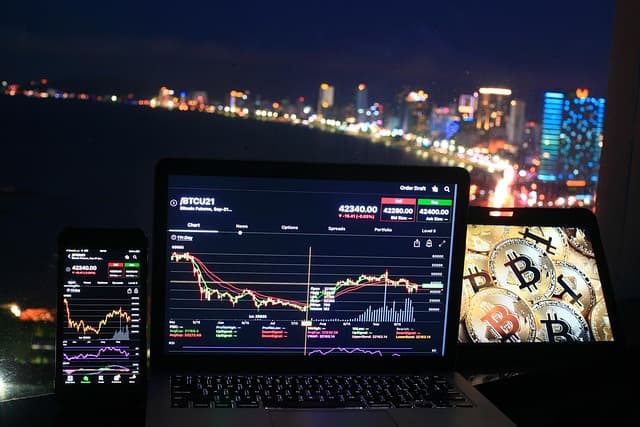
Investors around the globe are asking the same question: What should I keep in my portfolio for 2026? With economic uncertainty, shifting interest rates, and emerging technologies, choosing between stocks, bonds, gold, and crypto has never been more crucial. In this guide, we’ll break down each asset class, compare their strengths and weaknesses, and help you craft a diversified strategy that suits your financial goals.
Understanding the 2026 Investment Landscape
Global economic trends shaping 2026
By 2026, the world economy will still be adjusting to post-pandemic shifts, technological disruptions, and geopolitical tensions. Economic growth is expected to remain uneven, with some regions booming in innovation while others face inflationary struggles.
The role of inflation, interest rates, and geopolitics
Interest rate policies from central banks will heavily influence both stocks and bonds. Inflation, while cooling in some economies, may persist in others due to supply chain realignments. Geopolitical risks, such as trade disputes and regional conflicts, will add volatility to markets.
Why Portfolio Diversification Matters in 2026
Risk management and wealth preservation
Diversification reduces the impact of sudden downturns in one asset class. In 2026, when no single asset can be considered risk-free, spreading investments will be key to preserving wealth.
Balancing growth and stability
A well-balanced portfolio ensures that while some assets provide growth (stocks, crypto), others deliver stability (bonds, gold).
Stocks: Are Equities Still Worth Holding in 2026?
Sectors likely to outperform (tech, green energy, healthcare)
Stocks remain a cornerstone of portfolios. Technology, renewable energy, and healthcare are projected to be leading growth sectors. Innovations in AI, biotech, and clean energy will continue to attract investor capital.
Risks facing global stock markets
Valuation bubbles, corporate debt, and global recessions pose risks. Investors should remain selective, focusing on companies with strong fundamentals and long-term growth potential.
Bonds: Stability in an Uncertain World
Government bonds vs. corporate bonds
Bonds provide predictable income, making them essential for conservative investors. Government bonds offer security, while corporate bonds provide higher yields but come with additional risk.
How interest rates affect bond returns
If central banks raise rates, existing bond prices typically fall. However, new bond issuances become more attractive. Balancing maturities will be key in 2026.
Gold: A Timeless Safe Haven
Why gold remains important during uncertainty
Gold acts as a hedge against inflation and currency devaluation. In 2026, gold’s role as a “safe haven” asset remains as strong as ever.
Gold vs. inflation and currency risks
As currencies fluctuate and inflation pressures continue, gold offers stability that digital assets cannot fully replicate.
Crypto: High-Risk, High-Reward Asset
Bitcoin and Ethereum outlook for 2026
Crypto continues to divide investors. Bitcoin is often viewed as “digital gold,” while Ethereum powers decentralized finance (DeFi). Both are expected to remain leading digital assets in 2026.
The role of stablecoins and altcoins in diversification
Stablecoins may provide liquidity and low-volatility exposure, while altcoins offer high-risk opportunities. Investors must tread carefully, as regulation and adoption will shape their long-term viability.
Comparing Asset Classes for 2026
| Asset | Pros | Cons |
| Stocks | High growth potential, dividends | Volatile, sensitive to interest rates |
| Bonds | Stability, steady income | Lower returns, inflation risk |
| Gold | Inflation hedge, safe haven | Limited growth potential |
| Crypto | High upside, innovation-driven | Extreme volatility, regulatory risks |
The Ideal Portfolio Mix for 2026
Conservative investor strategy
A conservative investor in 2026 should prioritize stability and preservation of capital. A recommended allocation could be:
- 50% Bonds (with a mix of government and investment-grade corporate bonds)
- 25% Stocks (focusing on dividend-paying companies in stable sectors like utilities and healthcare)
- 15% Gold (to hedge against inflation and currency risks)
- 10% Crypto (mainly Bitcoin or Ethereum for exposure without overexposure to volatility)
This mix ensures income through bonds while allowing modest growth through stocks and a small slice of digital assets.
Moderate investor strategy
Moderate investors aim for balanced growth and stability. A portfolio might look like:
- 40% Stocks (technology, renewable energy, and healthcare sectors)
- 30% Bonds (government and corporate blend)
- 15% Gold (inflation and geopolitical hedge)
- 15% Crypto (including stablecoins and leading altcoins)
This approach provides growth while keeping a defensive shield against major downturns.
Aggressive investor strategy
Aggressive investors focus on high growth, willing to tolerate higher volatility:
- 60% Stocks (emphasizing innovation-driven companies)
- 15% Bonds (short-term or high-yield options)
- 10% Gold (safety cushion)
- 15% Crypto (a diversified basket including Bitcoin, Ethereum, and selected altcoins)
This strategy thrives in bull markets but demands strong risk tolerance.
Geographic Diversification: Beyond the US
Emerging markets vs. developed economies
In 2026, emerging markets such as India, Brazil, and Southeast Asia may offer higher growth potential compared to mature economies like the US or Europe. However, they also come with greater political and currency risks.
Risks of currency fluctuations
Investors should consider currency-hedged ETFs or multi-currency strategies. Exchange rate swings can wipe out returns, especially in volatile regions.
Sustainable & ESG Investments in 2026
Why ESG funds are gaining traction
Environmental, Social, and Governance (ESG) funds continue to rise in popularity. Investors increasingly prefer companies that align with climate goals, ethical governance, and social responsibility.
Risks and rewards of socially responsible investing
While ESG can boost long-term resilience, it may underperform in industries facing short-term political or economic pressure, such as oil and gas. Still, long-term trends favor ESG-focused portfolios.
Role of Alternative Assets
Real estate and REITs
Real estate remains a strong hedge against inflation. Real Estate Investment Trusts (REITs) offer accessibility for investors without directly owning property.
Commodities beyond gold (silver, oil, rare earths)
Commodities like silver, lithium, and rare earth minerals will likely gain demand due to the rise of electric vehicles and renewable energy storage. Oil, while volatile, may remain relevant until renewable infrastructure fully matures.
Technology’s Impact on Investment Strategies
AI, blockchain, and digital finance in 2026
Artificial Intelligence is transforming asset management by enabling real-time portfolio adjustments. Blockchain ensures transparent transactions, while digital finance tools make investing more accessible to everyday investors.
How fintech reshapes portfolio management
Fintech platforms offer automated robo-advisors, fractional investing, and decentralized finance (DeFi) tools, making it easier for investors to diversify globally at lower costs.
Risk Management Tools Every Investor Should Use
Hedging with options and derivatives
Sophisticated investors can use options, futures, or derivatives to hedge against market downturns. For example, buying put options on a major index can offset stock market losses.
Importance of cash reserves
Maintaining a cash buffer (5–10% of the portfolio) ensures liquidity during downturns. Cash allows investors to buy undervalued assets without liquidating existing holdings at a loss.
Frequently Asked Questions
1. Should I invest more in stocks or bonds in 2026?
It depends on your risk profile. Stocks provide growth, while bonds offer stability. A balanced approach works best for most investors.
2. Is gold still worth keeping in 2026?
Yes. Gold remains a safe haven, particularly during inflationary periods and geopolitical uncertainty.
3. What percentage of my portfolio should be in crypto?
For most investors, 5–15% is reasonable. Enough to benefit from potential upside, but not enough to cause major losses if markets crash.
4. Which sectors are expected to perform well in 2026?
Technology (AI, cybersecurity), green energy, and healthcare are strong contenders for growth.
5. How do I protect my portfolio from inflation?
Gold, commodities, inflation-protected bonds (TIPS), and certain real estate assets are effective inflation hedges.
6. Are emerging markets safe to invest in 2026?
They offer strong growth but higher risk. Diversification and hedging strategies are essential.
Conclusion: Building a Future-Proof Portfolio for 2026
Deciding what to keep in your portfolio for 2026: stocks, bonds, gold, and crypto requires balancing risk, return, and resilience. Stocks continue to drive growth, bonds provide income, gold safeguards wealth, and crypto offers high-risk, high-reward potential.
A successful 2026 portfolio won’t rely on just one asset—it will blend multiple classes, embrace geographic and sector diversification, and leverage technology to stay agile. Whether you’re conservative, moderate, or aggressive, the key is adaptability. Markets change, but disciplined diversification ensures long-term financial security.